
February 28, 2026
Amy Levy, PsyD
Todd Essig, PhD
Live Interactive Online Webinar
—
Time:
9:00 am – 12:00 pm PST
12:00 pm – 3:00 pm EST
Content Level: Intermediate
One-Session Program: 3 CEs
Member Fee: $120.00
Candidate/Student Fee: $75.00
This videoconference is co-sponsored by The Confederation of Independent Psychoanalytic Societies (CIPS) and The Contemporary Freudian Society (CFS)
Registration will end at 5:00 pm EST on February 27, 2026.
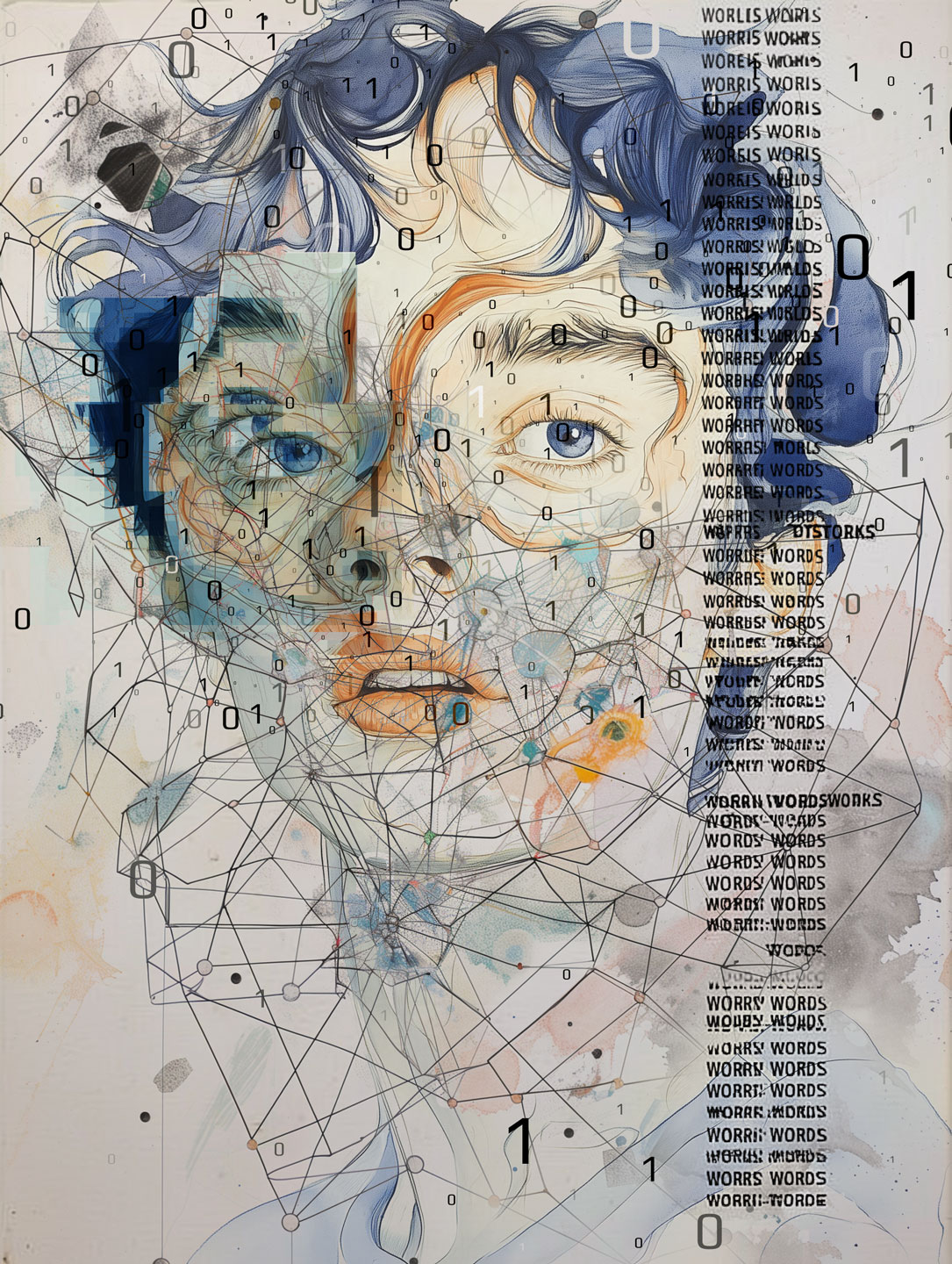
Impacts of AI in the Clinical Situation by Amy Levy and Todd Essig
Description
In this 3-hour presentation, Chairs of APsA’s President’s Commission on Artificial Intelligence, Drs. Todd Essig and Amy Levy will discuss the myriad ways AI is showing up in clinical practice and professional life, propose psychoanalytic conceptualizations of this occurrence, and offer helpful potential responses to AI’s growing presence. As they come to us with unique, and sometimes divergent views, a portion of their presentation will be a lively discussion between them regarding questions such as: should clinicians incorporate AI case formulations or interpretive recommendations into their clinical work? What is the effect of using AI to summarize a session rather than writing process notes from memory? How should we respond to patients who supplement human analytic work with AI sessions? To what extent should psychoanalysts use AI in writing, teaching, and presenting? And, what is being lost and gained by allowing AI into the clinical situation, and our professional lives in general?
Dr. Amy Levy chairs the American Psychoanalytic Association’s (APsA’s) President’s Commission on Artificial Intelligence (CAI), co-chairs the subcommittee “Artificial Intelligence” for the International Psychoanalytic Association (IPA) committee, Psychoanalysis and Technology, and serves on the Editorial Board of The Psychoanalytic Quarterly. Dr. Levy teaches and lectures internationally on the intersection of psychoanalysis and artificial intelligence, and she is author of the book, The New Other: Alien Intelligence and the Innovation Drive. Her other publication topics include intergenerational transmission of trauma, adolescent post-traumatic stress disorder in the civil legal arena, and Bionian theory. Dr. Levy serves as faculty at the Psychoanalytic Center of the Carolinas (PCC), and maintains a private practice in Chapel Hill, North Carolina.
Todd Essig, PhD is Faculty and a Training & Supervising Psychoanalyst at the William Alanson White Institute and Faculty at the NYU Postdoctoral Program in Psychoanalysis. Widely recognized as a pioneer in the innovative uses of mental health technologies, he publishes, teaches, and lectures widely at the intersections of psychoanalysis and artificial intelligence, and is a frequent media commentator, appearing most recently in The New York Times, Toronto Life, and the Suspicious Minds documentary. He founded and currently chairs the American Psychoanalytic Association’s President’s Commission on Artificial Intelligence (CAI). Previously, he co-authored the International Psychoanalytical Association’s Task Force Report on telesessions in psychoanalytic education and chaired APsA’s Covid-19 Advisory Team. From 1993 to 2009, he was the founder and director of The Psychoanalytic Connection, which launched the first interactive online psychoanalytic continuing education courses. For a decade, until the pandemic, he wrote the Forbes column “Managing Mental Wealth,” exploring the intersections of technology, psychology, and culture. In his clinical practice, he treats individuals and couples.
References
Knafo, D. (2024). Artificial intelligence on the couch: Staying human post-AI. American Journal of Psychoanalysis, 84: 155–180. https://doi.org/10.1057/s11231-024-09449-7
Kosinski, M. (2024). Evaluating large language models in theory of mind tasks.
arXiv. https://doi.org/10.48550/arXiv.2302.02083Lemma, A. (2024). Mourning, melancholia and machines: An applied psychoanalytic investigation of mourning in the age of griefbots. International Journal of Psychoanalysis, 105(4): 542–563.
Learning Objectives
At the end of the program, participants will be able to:
Discuss two losses when patients rely on AI in the clinical situation.
Describe three ways AI can be used in the clinical situation.
Identify a way to respond to patients who use AI as a supplement to treatment that maintain psychoanalytic values.
Who Should Attend
Mental Health Professionals (psychiatrists, psychologists, social workers, licensed professional counselors, e.g., LPs, LCATs, and pastoral counselors) and those with an interest in psychodynamic and psychoanalytic thinking and clinical applications.
Continuing Education Credits
- NY Social Workers: The PTI-CFS is recognized by the NYS Education Department’s State Board for Social Work as an approved provider of continuing education for licensed social workers #0087
- NY Psychoanalysts: The PTI-CFS is recognized by the NYS Education Department’s State Board for Mental Health Practitioners as an approved provider of continuing education for licensed psychoanalysts #P-0021.
- NY Licensed Psychologists: The PTI-CFS is recognized by the NYS Education Department’s State Board for Psychology as an approved provider of continuing education for Licensed Psychologists #PSY-0017.
- Psychologists: The Contemporary Freudian Society is approved by the American Psychological Association to sponsor continuing education for psychologists. The CFS maintains responsibility for this program and its content. (DC, MD and VA Psychologist licensing boards accept CE credits provided by an APA approved Sponsor. All other psychologists should check with their licensing boards.)
- DC, MD and VA Social Workers: The Social Work Boards of the District of Columbia, Maryland and Virginia will grant continuing education credits to social workers attending a program offered by an APA authorized sponsor.
CE credits will only be granted to participants with documented attendance of the entire program. No partial credit will be offered. It is the responsibility of the participants seeking CE credits to comply with these requirements. Upon completion of this program and online evaluation form, participants will be granted CE credits.
Important Disclosure Information: There is no conflict of interest or commercial support for this program.
Cancellation Policy:
Full refunds will be issued if notification of cancellation is received 72 hours prior to the start of the course.